
Linoleic Acid, Inflammation, and Your Skin: What 21+ Years With Clients Has Taught Me
If you’ve been struggling with persistent breakouts, inflamed skin, redness, or skin that just won’t respond — even though you’re using clean products and eating “healthy” — this might be the missing piece no one has explained to you.
After more than 21 years of working one on one with clients, I’ve learned that most skin concerns don’t start on the surface.
They start inside the body.
And one of the most overlooked contributors I see again and again is excess linoleic acid, a type of omega-6 fat that’s everywhere in the modern diet.
What Is Linoleic Acid?
Linoleic acid is an essential omega-6 fatty acid. In small amounts, it plays a role in skin barrier function and cellular health.
The problem isn’t linoleic acid itself.
The problem is chronic excess without balance.
Today, most people consume far more linoleic acid than the body can comfortably process — largely because of seed oils and ultra-processed foods. Over time, this creates an internal environment that promotes inflammation, insulin resistance, and skin dysfunction.
Signs You May Have Too Much Linoleic Acid in Your System
These are patterns I’ve observed consistently over decades of hands-on work:
1. Chronic Inflammation and Puffiness
Skin that looks swollen, inflamed, or “angry,” even without obvious breakouts, is often reacting to internal inflammatory signals.
2. Acne That Doesn’t Respond to Active ingredients
Clients with cystic, hormonal, or recurring acne often have altered sebum composition due to excess omega-6 fats. The oil becomes thicker, more inflammatory, and harder for the skin to regulate.
3. Redness, Sensitivity, or Reactive Skin
Rosacea-like symptoms, stinging with products, or skin that feels easily overwhelmed are common when oxidized linoleic acid disrupts the skin barrier.
4. Blood Sugar Imbalances and Cravings
Excess linoleic acid interferes with mitochondrial function, making it harder for the body to regulate insulin and efficiently burn fat. This often shows up as energy crashes and cravings.
5. Hormonal Imbalance
Omega-6 excess promotes inflammatory prostaglandins, which can worsen PMS symptoms, estrogen dominance, and hormone-related breakouts.
6. Slow Skin Healing
Breakouts that linger, pigmentation that takes forever to fade, or slow recovery after treatments are signs the body is stuck in an inflammatory loop.
Why Linoleic Acid Excess Is So Common Today?
Most people aren’t intentionally over-consuming linoleic acid.
It’s hidden in:
Canola oil
Soybean oil
Corn oil
Sunflower and safflower oils
Restaurant food
Packaged “health” snacks
Salad dressings and condiments
Processed keto or vegan products
Even clients who eat organic, gluten-free, or low sugar are often unknowingly consuming high omega-6 loads every single day.
How to Regulate Linoleic Acid (Without Extremes)
This isn’t about fear or restriction. It’s about reducing excess, restoring balance and taking control!
1. Remove the Biggest Offenders First
Eliminating seed oils is the most impactful first step. This alone can dramatically lower inflammatory input.
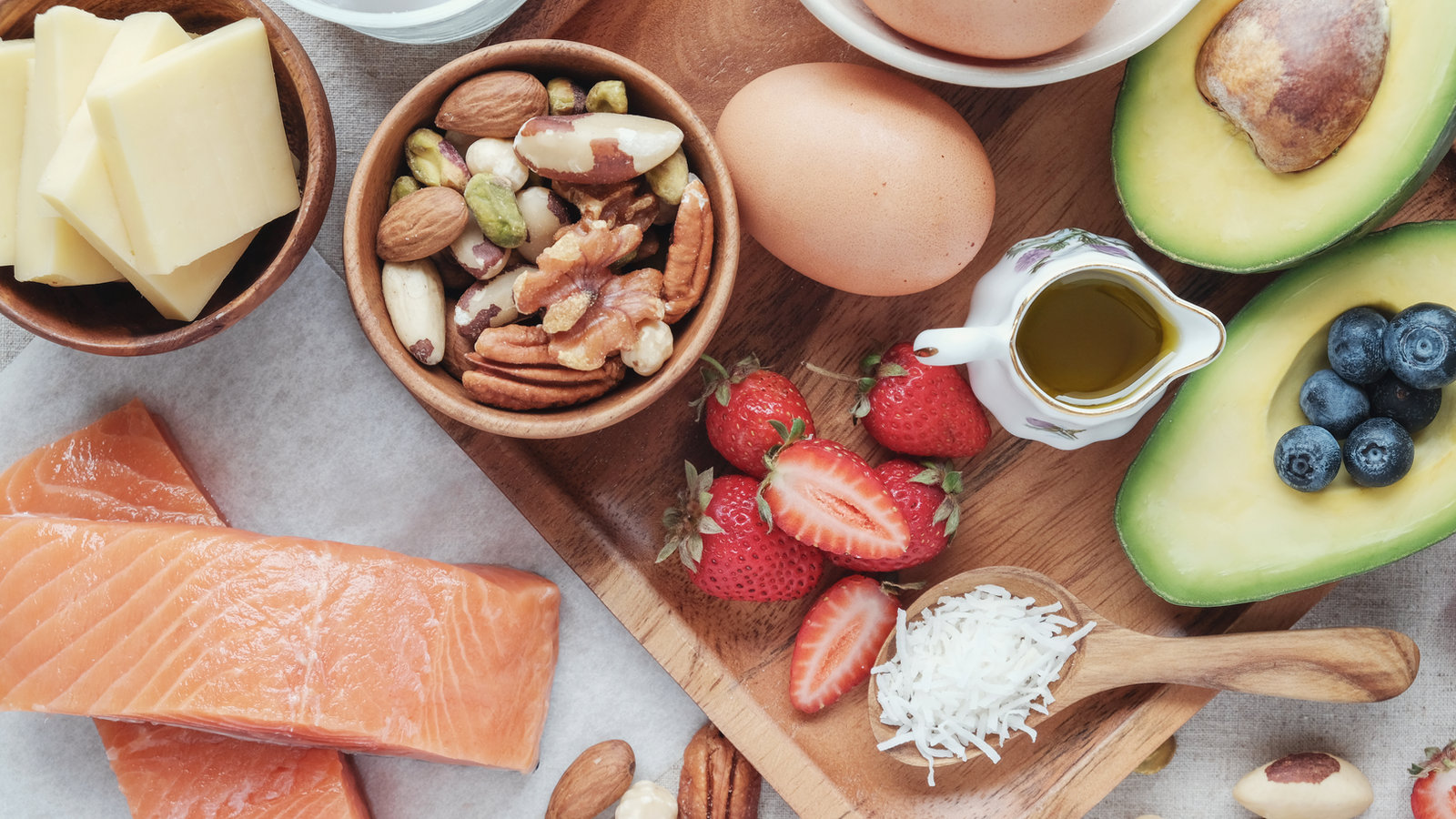
2. Choose Stable, Skin-Supportive Fats
Replace seed oils with fats that are less prone to oxidation:
Extra virgin olive oil
Avocado oil
Coconut oil
Ghee or grass-fed butter
These support hormone balance, skin barrier repair, and metabolic health.
3. Increase Omega-3 Intake
Omega-3 fatty acids help counterbalance omega-6-driven inflammation. Prioritize wild-caught fatty fish or a high-quality EPA/DHA supplement.
4. Support Fat Turnover Gently
Linoleic acid is stored in fat tissue, so regulation takes time. Support your body with:
Adequate protein
Daily movement
Gentle fasting windows (10–12 hours)
Sweating (exercise or sauna)
Mineral support, especially magnesium
5. Be Patient With Your Skin
Because fats become part of cell membranes, skin improvements don’t happen overnight. Most clients notice reduced inflammation within weeks and more resilient skin over months, conistency is key!
The Bigger Picture: Skin Health Is Metabolic Health
This is something I wish more people were told earlier:
No skincare product or treatment can override deep chronic inflammation.
But when insulin is balanced and inflammatory inputs are reduced, the skin responds beautifully. Treatments last longer. Sensitivity decreases. Glow becomes natural instead of forced.
The Takeaway
Linoleic acid isn’t the enemy.
Excess without balance is the issue.
When inflammation is reduced and insulin is balanced, the skin naturally shifts into repair mode. And when nourishment replaces restriction, healing becomes sustainable.
Your skin isn’t confused.
Your skin isn’t failing you.
It’s responding to its environment.
And when that environment becomes supportive, healing follows — every time.
Make those necessary changes, be patient and stay consitent. You are healing!


